
Reasons to shop with us
As we await the implementation date of updated legislation around the energy efficiency of tumble dryers, many retailers and trade professionals are asking: How can we help customers understand the differences—and benefits—between heat pump and condenser tumble dryers?
As we await the implementation date of updated legislation around the energy efficiency of tumble dryers, many retailers and trade professionals are asking: How can we help customers understand the differences—and benefits—between heat pump and condenser tumble dryers?

It’s no surprise that many consumers opt for condenser tumble dryers. The upfront cost is typically lower—often around 25% less than a comparable heat pump dryer. For budget-conscious shoppers, that initial saving can be very appealing.
But is it really the most economical choice in the long run?
One common concern with heat pump dryers is their longer drying time. For example, a cotton cycle can take up to 50% longer compared to a condenser dryer. This leads many consumers to assume that longer drying time equals higher energy costs.
However, this assumption overlooks the key difference: the technology.
Heat pump dryers use a more energy-efficient process to dry clothes. Instead of generating high heat and venting it out, they recycle warm air within the drum, significantly reducing energy consumption per cycle.
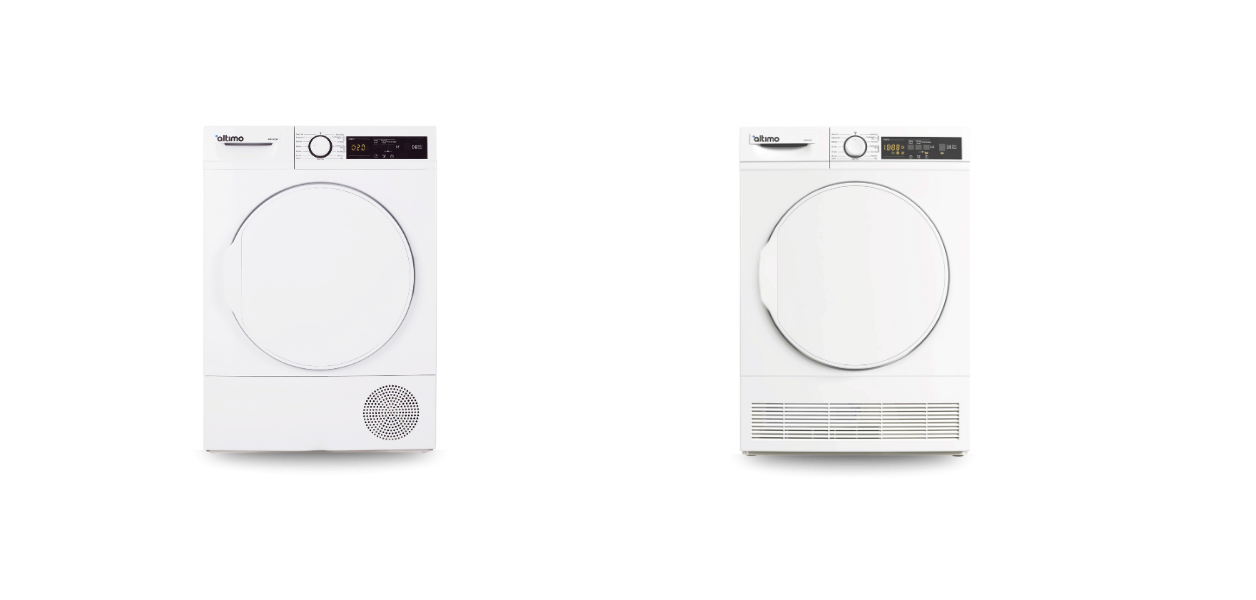
To help illustrate the long-term value, we’ve compared two popular models:
We modelled the total lifetime cost of each machine, assuming:
It’s no surprise that many consumers opt for condenser tumble dryers. The upfront cost is typically lower—often around 25% less than a comparable heat pump dryer. For budget-conscious shoppers, that initial saving can be very appealing.
But is it really the most economical choice in the long run?
One common concern with heat pump dryers is their longer drying time. For example, a cotton cycle can take up to 50% longer compared to a condenser dryer. This leads many consumers to assume that longer drying time equals higher energy costs.
However, this assumption overlooks the key difference: the technology.
Heat pump dryers use a more energy-efficient process to dry clothes. Instead of generating high heat and venting it out, they recycle warm air within the drum, significantly reducing energy consumption per cycle.
To help illustrate the long-term value, we’ve compared two popular models:
We modelled the total lifetime cost of each machine, assuming:
Despite the higher upfront cost, the heat pump dryer delivers significant savings over time. In fact, our model shows that:
And for households that do laundry more frequently—say, four cycles per week—the savings increase to around 45%.
Helping customers understand the total cost of ownership is key. While heat pump dryers may seem more expensive at first glance, they offer:
By explaining the technology and showing real-world comparisons, you can empower your customers to make informed, sustainable choices.
Despite the higher upfront cost, the heat pump dryer delivers significant savings over time. In fact, our model shows that:
And for households that do laundry more frequently—say, four cycles per week—the savings increase to around 45%.
Helping customers understand the total cost of ownership is key. While heat pump dryers may seem more expensive at first glance, they offer:
By explaining the technology and showing real-world comparisons, you can empower your customers to make informed, sustainable choices.


Unlock exclusive pricing, bulk order discounts, and fast checkout by setting up your Hughes Trade account.

Browse our full range of trade appliances, check live stock availability, and access special offers online.

Whether it’s sales, rental, or website support, our teams are here to help with your trade enquiries.
Unlock exclusive pricing, bulk order discounts, and fast checkout by setting up your Hughes Trade account.
Browse our full range of trade appliances, check live stock availability, and access special offers online.
Whether it’s sales, rental, or website support, our teams are here to help with your trade enquiries.


